
0086-15366800998

Hexafluoroisopropanol (HFIP) in Organic Synthesis
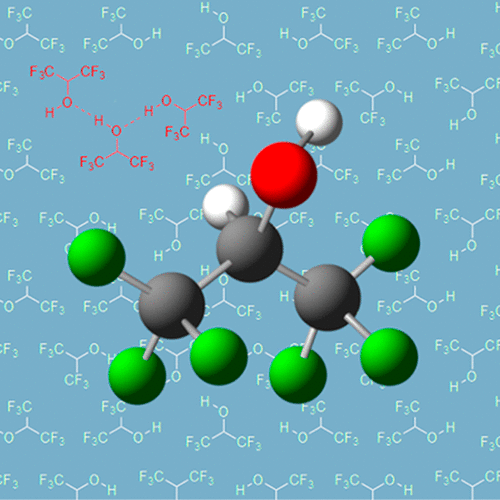
Beginning in the 1950s, many studies exploring the physical properties of fluorinated alcohols laid the groundwork for understanding the complex interactions of these solvents. Prior to this, the idea that the introduction of fluorine would increase the acidity of alcohols can be traced back to Swarts, Henne and Pelley et al. who experimentally confirmed this in 1952.Swarts first described the preparation of trifluoroethanol (TFE) by catalytic reduction of trifluoroacetic anhydride over a platinum-black catalyst. In 1960, Knunyants et al. reported the first synthesis of hexafluoroisopropanol (HFIP) by reduction of hexafluoroacetone with sodium borohydride. Later, they isolated HFIP from the Grignard reaction of hexafluoroacetone with isopropylmagnesium bromide.
In 1964, Middleton and Lindsey et al. reported that HFIP had a significant hydrogen bonding capacity compared to several fluorinated sec- and tert-fluorinated alcohols, which stemmed from the cumulative inductive effect of the six fluorine atoms. Fluorinated alcohols with strong hydrogen bonding ability can form stable, distillable, or recrystallizable equimolar complexes with suitable hydrogen-bonded acceptor compounds; for example, the HFIP-THF complex boils at 100 °C.
Applied research
Throughout the 1960s and 1970s, researchers began to realize that hexafluoroisopropanol was a superior solvation medium and began to explore its utility in facilitating chemical reactions. Some of these reports focused on the physical chemistry of trifluoroethanol (TFE) in solvent decomposition chemistry, such as alkyl toluenesulfonate. Fluorinated alcohols were also reported to be excellent solvents for dissolving polymeric materials.
In the late 1970s, HFIP and TFE were demonstrated in the four-component condensation of Ugi, one of the earliest uses in organic synthesis.Sieber et al. also described the use of TFE (90% aqueous TFE) as a solvent for the mild, pH-controlled deprotection of N (α)-trityl ( N-trityl) in the presence of other acids under acidolytic conditions. This selective deprotection strategy is essential to accomplish the total synthesis of human insulin. Similarly, aniline protected with the very acid-unstable dicyclopropylmethoxycarbonyl group was deprotected by simple dilution in HFIP.Grell et al. subsequently showed that a 4:1 mixture of DCM and HFIP was used to cleave fully protected peptides from o-chlorotriphenylmethyl resins without significant racemization while preserving peptide utility in solution.
Kopple et al. further investigated the use of HFIP as a solvent for peptide coupling and determined that solvent decomposition of the active carboxyl component yielded HFIP esters that could be used as mild acylating agents for peptide coupling. Although HFIP is a suitable solvent for solubilizing peptides and cleaving acid-sensitive protecting groups, peptide coupling in HFIP is much slower than in dimethoxyethane (DME) or N , N-dimethylformamide (DMF).
Physicochemical properties
Of the fluorinated alcohols, hexafluoroisopropanol and TFE are the most widely used by organic chemists because of their low cost and better physical properties, including boiling point (bp) and melting point (mp), than other fluorinated alcohols (e.g., perfluoro-tertiary alcohols). Butanol (PFTB; boiling point 45 °C), 1-phenyl-2,2,2-trifluoroethanol (PhTFE) and perfluoropinacol (PFP; mp 26 °C). The presence of a strong electron-withdrawing trifluoromethyl group gives TFE and hexafluoroisopropanol their properties of high polarity, increased Bronsted acidity of hydroxyl protons (low pKa), high ionizability, low nucleophilicity, and a strong hydrogen-bond-donating (HBD) ability. Hydrogen bond acceptance is poor and the ability to solvate anions and stabilize cations is superior to similar non-fluorinated alcohols, ethanol and 2-propanol.
Legros et al. investigated the effect of polyfluorinated alcohols on Bronsted acidity and hydrogen bond donor capacity as well as their ability to act as solvent promoters. The authors observed that the hydrogen bond donor capacity was sensitive to the spatial site resistance around the hydroxyl group of the various fluorinated alcohols, while the Brønsted acidity was mainly influenced by the number of CF3 groups present in the molecule rather than the overall structure. The authors' tests of various polyfluoroalcohol solvents as promoters of the sulfoxide oxidation and iminium Diels-Alder reactions showed that the hydrogen bond donor capacity plays a major role in promoting these reactions, whereas the Brønsted acidity appeared to have little or no effect, and that hexafluoroisopropanol is preferred to the other fluorinated solvents in these reactions. On the other hand, it completely inhibited the epoxide ring-opening reaction with piperidine by forming an almost irreversible hydrogen-bonded adduct with the basic piperidine.
References.
[1] Hashim F. Motiwala, Ahlam M. Armaly, Jackson G. Cacioppo, Thomas C. Coombs, Kimberly R. K. Koehn, Verrill M. Norwood IV, and Jeffrey Aubé. Chemical Reviews 2022, 122(15), 12544-12747. DOI: 10.1021/acs.chemrev.1c00749
【Jiayuan Chemical】Demand for perfluoropolyether (PFPE) is growing, with continued expansion in high-end lubrication and electronic applications.
Changzhou Jiayuan Chemical Co., Ltd. focuses on the field of fluorochemistry and has built a complete industrial chain from fluorite to high - purity hydrogen fluoride , electronic-grade hydrofluoric acid, trifluorochloroethylene, octafluorocyclobutane, inorganic fluoride salt series, boron-10 acid, electronic specialty gases, and downstream high-end fluorinated liquids (such as HFE449), truly achieving vertical integration throughout the AI big data market.Changzhou Jiayuan Chemical Co., Ltd., relying on its self-controllable raw material advantages and large-scale production capabilities, can ensure stable product quality and reliable supply from source to finished product. The company's products are widely used in cutting-edge fields such as precision manufacturing cleaning, electronic heat dissipation and cooling, new energy, and semiconductor testing, and the company is committed to providing global customers with high-performance, low-environmental-impact fluorochemical solutions.Changzhou Jiayuan Chemical Co., Ltd. will continue to focus on the fluorochemical industry chain, promote the technological iteration and industrialization of green fluorosolvents, and contribute to the sustainable development of the industry.Why does the market need PFPE now?With the development of semiconductors, precision electronics, aerospace, and high-end equipment manufacturing, the operating environment of equipment is becoming increasingly complex. High temperatures, high vacuum, highly corrosive chemicals, and extreme temperature conditions all place higher demands on lubricating materials.Traditional mineral oils or partially synthetic lubricants are prone to volatilization, oxidation, and performance degradation under high temperature, vacuum, or strong oxidizing environments. In contrast, PFPE, relying on its stable fluorine-containing structure, has excellent chemical and thermal stability, as well as low vapor pressure and low outgassing characteristics, making it particularly suitable for equipment with high pollution control requirements.Who is procuring PFPE?Currently, PFPE's main customers are semiconductor equipment companies, electronics manufacturing companies, vacuum equipment companies, aerospace companies, and high-end machinery equipment manufacturers .The semiconductor industry is a noteworthy application market. Wafer manufacturing and related equipment contain numerous moving parts such as vacuum pumps, robots, bearings, guide rails, and seals. These devices require lubrication but must not be contaminated by lubricant evaporation or venting. Therefore, PFPE lubricants offer high compatibility.Aerospace is also an important application area for PFPE. In aircraft, satellites and other high-end equipment, some components need to withstand low temperature, vacuum, high temperature, radiation or oxidation environments. PFPE can maintain good lubrication performance and stability, so it is used in lubrication scenarios such as special bearings and mechanical parts.Why is the downstream market growing?The core reason for the growth in PFPE demand is not the expansion of the general lubricant market, but the increased demand for special lubricating materials from high-end equipment .On the one hand, the semiconductor and electronic equipment industry is developing towards higher precision and higher cleanliness, increasing the demand for low-volatility and low-outgas lubricants for vacuum equipment and precision moving parts; on the other hand, the aerospace, nuclear industry and high-end equipment industries continue to have a demand for lubricating materials that are resistant to high temperatures, chemical corrosion and long-term stable operation.Furthermore, PFPE is not limited to lubricating oils and greases; it can also be used in functional coatings, electronic testing, thermal management, vapor phase welding, and special surface treatment materials . Low molecular weight PFPE can be used as a functional fluid with good dielectric properties and thermal stability, while high molecular weight PFPE is more often used in high-performance lubricating materials.Overall, PFPE is a typical high-performance fluorinated material, and its market demand is closely related to the development of semiconductors, electronics, aerospace, vacuum equipment, and high-end manufacturing . In the future, buyers' focus on PFPE will gradually shift from simple price comparisons to viscosity, temperature range, volatility, low outgassing performance, chemical stability, and adaptability to different equipment operating conditions.Changzhou Jiayuan Chemical Co., Ltd. supplies perfluoropolyether (PFPE) products. Customers with PFPE purchasing needs are welcome to inquire.
More +
2026-09-11
【Jiayuan Chemical】Potassium fluoride market demand is growing, and high-purity products are attracting downstream attention.
Changzhou Jiayuan Chemical Co., Ltd. focuses on the field of fluorochemistry and has built a complete industrial chain from fluorite to high - purity hydrogen fluoride , electronic-grade hydrofluoric acid, trifluorochloroethylene, octafluorocyclobutane, inorganic fluoride salt series, boron-10 acid, electronic specialty gases, and downstream high-end fluorinated liquids (such as HFE449), truly achieving vertical integration throughout the AI big data market.Changzhou Jiayuan Chemical Co., Ltd., relying on its self-controllable raw material advantages and large-scale production capabilities, can ensure stable product quality and reliable supply from source to finished product. The company's products are widely used in cutting-edge fields such as precision manufacturing cleaning , electronic heat dissipation and cooling, new energy, and semiconductor testing, and the company is committed to providing global customers with high-performance, low-environmental-impact fluorochemical solutions.Changzhou Jiayuan Chemical Co., Ltd. will continue to focus on the fluorochemical industry chain, promote the technological iteration and industrialization of green fluorosolvents, and contribute to the sustainable development of the industry.With the continued development of industries such as pharmaceuticals, fine chemicals, electronic materials, and new energy, potassium fluoride (KF) is evolving from a traditional inorganic fluoride towards high-purity, specialized applications. In particular, the recent increase in market attention to high-purity, low-moisture potassium fluoride has shifted the procurement logic beyond just "basic fluoride salts," becoming more relevant to downstream high-end manufacturing and the production of fluorinated chemicals.Why is there a market demand for potassium fluoride now?One of the greatest values of potassium fluoride (KF) is its role as a stable and effective fluorinating agent and source of fluoride ions in organofluorine reactions. In the production of fine chemicals, pharmaceutical intermediates, and pesticide intermediates, KF can be used in reactions such as halogen exchange to replace chlorine groups in organic molecules with fluorine, thereby preparing fluorine-containing compounds with special properties. Fluorine can improve the activity, stability, and metabolic characteristics of some pharmaceuticals and agrochemicals; therefore, the demand for fluorine-containing chemicals remains a significant driver of KF demand.At the same time, the electronic chemicals and semiconductor industries are also paying increasing attention to high-purity potassium fluoride . High-end manufacturing is more sensitive to indicators such as metal impurities and moisture content, and electronic-grade potassium fluoride (KF) requires more stringent purification and quality control. Therefore, the market is shifting from ordinary industrial-grade products to high-purity, low-moisture, and customized specifications.Who is purchasing potassium fluoride?Our main purchasing customers can be divided into several categories:The first category consists of fine chemical and fluorine-containing chemical companies. These companies have relatively stable purchasing volumes, mainly for fluorination reactions, special fluorine-containing intermediates, and the production of other fine chemicals.The second category consists of pharmaceutical and pharmaceutical intermediate companies. With the increasing research and development of fluorinated drugs and novel pharmaceutical intermediates, the demand for high-purity fluorinating reagents with good reaction stability is also rising. KF, with its relatively convenient operation and good reaction selectivity, remains an important raw material in fluorination synthesis systems.The third category consists of companies involved in electronic chemicals and semiconductors. These customers are more concerned with purity, metal impurities, moisture content, and batch stability, resulting in a clear differentiation in their demand for ordinary industrial-grade KF and high-purity KF.In addition, agrochemical, glass processing, metal surface treatment, and some new energy materials companies will also generate demand for potassium fluoride.Why is downstream growth still occurring?The core reason is "increased demand for fluorination + upgrading of high-end products".On the one hand, the pharmaceutical, agrochemical, and fine chemical industries are constantly developing new fluorinated compounds, driving demand for fluorinating agents; on the other hand, semiconductors, electronic materials, and advanced materials have increasingly higher requirements for the purity of chemicals, making high-purity KF a new growth direction.It is worth noting that a study conducted in collaboration between Oxford University and Pfizer in July 2026 further demonstrated the application potential of KF in novel organofluorination reactions, indicating that KF is not simply a traditional inorganic fluoride salt, and its application in modern fluorine chemistry is still expanding.Therefore, the current potassium fluoride market is less focused on large-scale industrial demand and more on high-purity potassium fluoride, electronic-grade potassium fluoride, and products used in pharmaceutical and fine chemical fluorination reactions . For suppliers, stable purity, low moisture content, impurity control, and consistent supply capacity will increasingly become crucial considerations for customer procurement.Changzhou Jiayuan Chemical Co., Ltd. can provide potassium fluoride products of corresponding specifications according to different downstream applications. Customers with potassium fluoride procurement needs are welcome to inquire.
More +
2026-09-10

【 Jiayuan Chemical 】Rare Gas Market Monthly Review: Increased Helium Supply Pressures Prices, Krypton-Xenon Market Stabilizes (August 2026)
Market AnalysisIn August 2026, the domestic rare gas market showed a divergent trend. Among them, the supply of high-purity helium continued to increase, and with limited recovery in downstream demand, the market had ample supply and prices were under pressure. After previous adjustments, the markets for products such as krypton and xenon tended to stabilize, with end-user procurement still mainly based on actual demand.Regarding high-purity helium, the market supply is relatively abundant due to increased domestic supply capacity and stable imported sources. Meanwhile, although sectors such as semiconductors, medical devices, scientific research, and fiber optic manufacturing maintain a certain level of rigid demand, downstream companies are adopting more cautious procurement strategies, mostly using a just-in-time purchasing model, resulting in insufficient motivation for concentrated restocking in the short term. Therefore, trading activity in the helium market has decreased, and market prices have entered a period of adjustment.From an application perspective, helium, as an irreplaceable strategic rare gas, is widely used in semiconductor manufacturing, cryogenic superconductivity, nuclear magnetic resonance equipment, aerospace, fiber optic production, and scientific research and testing. With the continued development of advanced manufacturing industries, the long-term demand for high-purity helium remains, but market competition is gradually shifting from resource supply to product purity, stable supply capacity, and comprehensive service capabilities.The xenon market remained relatively stable overall in August. Due to increased supply in the previous period, market inventory pressure persisted, and end-users maintained a cautious purchasing attitude, with market transactions driven by actual demand. Xenon is mainly used in high-intensity discharge lamps, medical lighting, aerospace propulsion systems, semiconductor etching, and scientific research. High-end applications place higher demands on product purity and stable supply.The overall krypton market remained relatively stable. Driven by demand from downstream sectors such as display panels, semiconductors, lasers, and specialty lighting, the market maintained a certain level of procurement demand. Currently, end-users are paying more attention to supply stability and product quality, and procurement is becoming more rational, resulting in a generally stable market.The neon gas market remained stable overall, with ample supply. Neon gas is primarily used in semiconductor lithography, lasers, and display technology. With the development of advanced manufacturing industries, high-purity neon gas will continue to have long-term application value. Currently, market transactions are mainly driven by immediate needs, and the overall market remains stable.Market OutlookEntering September 2026, the rare gas market is expected to continue to show a structural adjustment trend.Regarding high-purity helium, the supply side will remain stable, with domestic capacity expansion and imported resources continuing to improve market supply capacity. However, from the demand side, while industries such as semiconductors and medical devices have long-term growth potential, short-term procurement will primarily focus on cautious restocking, and market prices are expected to remain in a state of adjustment. As high-end manufacturing continues to advance, the future focus of competition in the high-purity helium market will gradually shift to supply security, product quality, and customized service capabilities.The xenon market will still face pressure to balance supply and demand in the short term, but as demand from high-end lighting, medical equipment, semiconductor manufacturing and scientific research gradually recovers, the market is expected to gradually return to stability.The krypton and neon markets are expected to remain relatively stable. With the continued development of the semiconductor industry chain, the demand for high-purity rare gases in lithography, laser, and electronic manufacturing will continue to be supported. In the future, high purification, domestic production, and stable supply capabilities will become key areas of competition for rare gas companies.As a professional supplier of fluorochemicals and specialty gases, Changzhou Jiayuan Chemical Co., Ltd. continuously monitors changes in the global rare gas market, providing customers with high-purity helium, krypton, xenon, neon, and other rare gas products and related supply services. Relying on a stable supply system and professional service capabilities, Jiayuan Chemical is committed to meeting the application needs of high-purity gases in high-end fields such as semiconductors, optoelectronics, scientific research, and medicine.Customers from all industries are welcome to contact Changzhou Jiayuan Chemical Co., Ltd. to obtain information on rare gas products and supply solutions.
More +
2026-09-08
PSVE Market Demand Rises: High-Performance Fluorine Materials Drive Industrial Upgrading
With the rapid development of the semiconductor, new energy, and high-end manufacturing industries, PSVE (perfluorosulfonyl vinyl ether), as an important fluorinated functional monomer, has received increasing market attention. It is mainly used in the production of high-performance fluoropolymers, ion exchange membranes, and specialty fluororesins, and is a crucial raw material for improving the corrosion resistance, high-temperature resistance, and functional properties of materials.In recent years, the semiconductor industry has seen a continuous increase in demand for high-purity fluorine materials. Fluorine-containing materials such as PFA and modified PTFE are widely used in wafer manufacturing, wet cleaning, and high-purity chemical transportation. PSVE, which can improve polymer properties and enhance material reliability, has therefore attracted the attention of electronic materials companies.Currently, PSVE's main customers include fluoropolymer manufacturers, semiconductor material suppliers, new energy material companies, and research institutions. Downstream customers are more concerned with product purity, impurity control, and supply stability than just price.From a market trend perspective, the growth in demand for PSVE mainly comes from three aspects: first, the expansion of the semiconductor industry drives up the demand for electronic-grade fluorinated materials; second, the continuous replacement of traditional materials by high-performance fluoropolymers drives up the demand for functional monomers; and third, the development of new energy fields such as fuel cells and hydrogen energy provides new growth space for ion exchange membrane materials.However, due to the high technical requirements and complex processes involved in PSVE production, the ability to supply high-purity products remains a key factor in market competition. In the future, with the continued development of advanced manufacturing and new energy industries, PSVE, as an important component of the high-end fluorinated materials industry chain, will see its market application prospects further expand.Changzhou Jiayuan Chemical Co., Ltd. specializes in fluorinated chemicals and high-performance materials, providing customers with specialty fluorinated products such as PSVE. Companies with purchasing needs are welcome to contact us for product information and supply support.
More +
2026-09-04
Welcome to establish long-term cooperative relations with our company
Please contact us
0086-15366800998
Domestic Trade Contact:President Yuan
Mobile:0086-15366800998
Email:999yhsen@163.com
Minister of Foreign Trade:Jane
Mobile:0086-0519-15366800998
Email:janeyuan@czjyhg.com
Address:1304, Block B, Jinsha Science and Technology Financial Center, Jintan District, Changzhou City, Jiangsu Province
Tel:0086-15366800998
Fax:0086-0519-82110997
From
2015
Focus on fluorine-containing pharmaceutical&pesticide intermediates
