
0086-15366800998

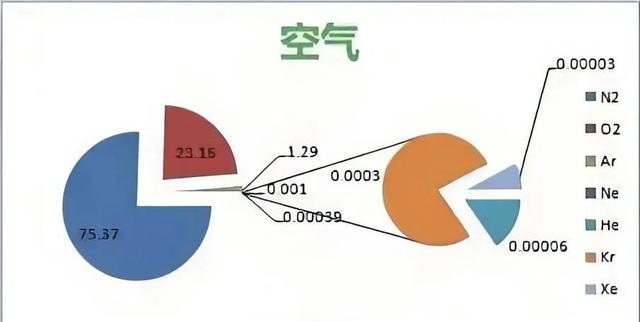 Rare gases are a general term for gases such as helium (He), neon (Ne), argon (Ar), krypton (Kr), xenon (Xe), and radon (Rn). In the past, people believed that these gases did not react with other substances, so they were also called "inert gases."
In fact, although these gases do not account for a high proportion in the air, they are indispensable in our modern life. In this issue, Jiayuan will talk about their common uses.
1.As protective gas
Iridium, the nuclear fuel of nuclear reactors, which oxidizes rapidly in the air, also needs to be machined under the protection of argon.
In order to extend the service life of the light bulb, adding argon gas into the light bulb can reduce the evaporation of the tungsten filament and prevent the tungsten filament from oxidation.
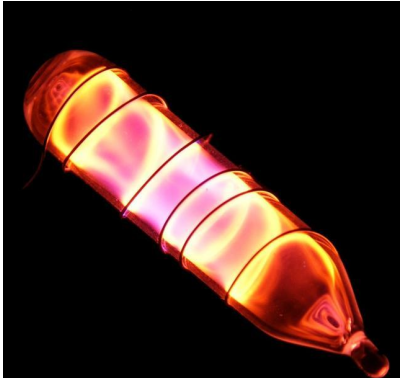
Rare gases emit light of different colors when electricity is applied. The world's first neon light was made of neon. The red light emitted by neon has strong transmittance in the air and can pass through thick fog. Therefore, neon lights are often used as beacons in airports, ports, and water and land transportation routes. Argon or helium is filled into the tube, which emits light of light blue or light red when electricity is applied. Filling a mixture of helium, neon, and argon with different contents into the tube can make colorful neon lights.The commonly used fluorescent lamp is made by filling a small amount of mercury and argon gas in the lamp tube and applying fluorescent material (such as calcium halophosphate) on the inner wall. When the power is turned on, the discharge of mercury vapor generates ultraviolet rays in the tube, which stimulates the fluorescent material to emit visible light similar to sunlight, so it is also called a fluorescent lamp.When powered on, a high-voltage long-arc lamp filled with xenon can emit strong light that is tens of thousands times stronger than a fluorescent lamp. Therefore, it is called an "artificial little sun" and can be used for squares, stadiums, airports and other lighting. Neon lights, krypton gas, and xenon gas can also be used in laser technology.
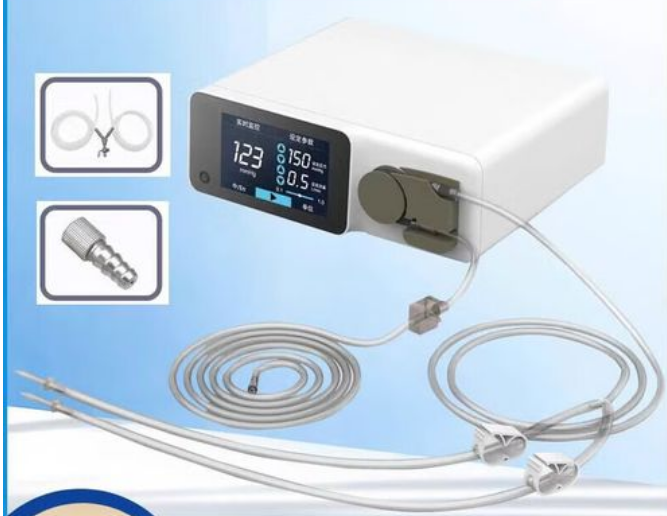 Xenon lamps have high ultraviolet radiation and are used in medical technology. Xenon gas dissolves in cell oil, causing cell anesthesia and swelling, thereby temporarily stopping the action of nerve endings and achieving anesthesia. As an anesthetic without side effects, people have tried a mixture of 80% xenon and 20% oxygen.
Isotopes of krypton and xenon are also used to measure cerebral blood flow, etc.
 Helium and oxygen are mixed into artificial air, which divers can breathe. Because in the deep sea with greater pressure, if you breathe with ordinary air, more nitrogen will be dissolved in the blood. When the diver rises from the deep sea and gradually restores the normal pressure in the body, the nitrogen dissolved in the blood should be released to form bubbles, blocking the microvessels and causing "gas stasis". The solubility of helium in the blood is much lower than that of nitrogen. If the above phenomenon does not occur, but the ordinary air is replaced by a mixture of helium and oxygen (artificial air).
 Helium is the lightest gas besides hydrogen. Hydrogen is flammable and explosive, while helium is a colorless, odorless, inert gas. It is chemically inactive. Generally speaking, it is difficult to react with other substances. Helium has been used to fill balloons and airships instead of hydrogen.
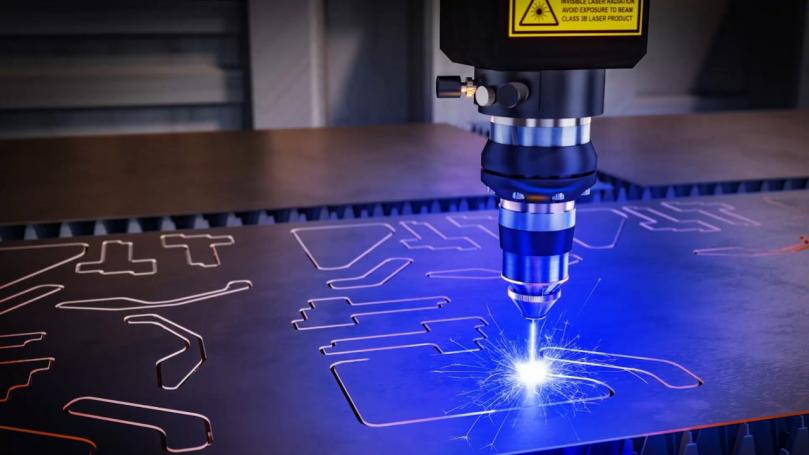 Helium-neon laser is one of them. Helium-neon mixed gas is sealed in a special quartz tube. Under the encouragement of an external high-frequency oscillator, inelastic collisions occur between atoms of the mixed gas, and energy transfer occurs between the stimulated atoms, resulting in electronic transitions and emitting stimulated radiation waves and near-infrared light corresponding to the transitions. Helium-neon lasers can be used for measurement and communication.
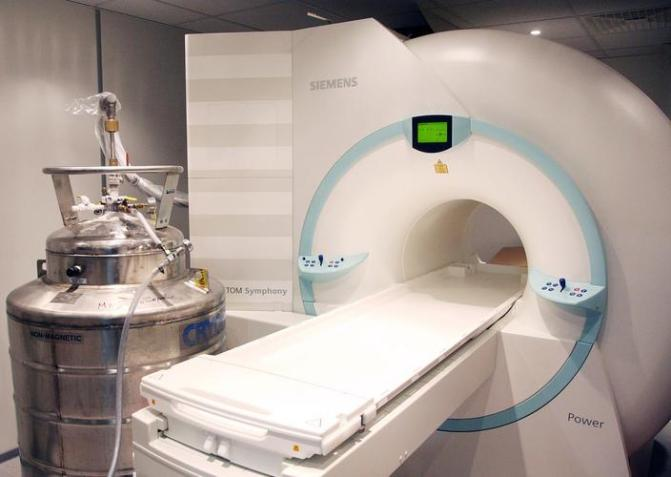 The boiling point of liquid helium is -269℃, which is the most difficult to liquefy of all gases. Using liquid helium, ultra-low temperatures close to absolute zero (-273.15℃) can be achieved. Liquid helium is an ordinary liquid with the properties of ordinary liquids. Liquid helium below 2.2 thousand is a superfluid with many abnormal properties. For example, it has superconductivity and low viscosity. Its viscosity is 1% of the viscosity of hydrogen. Liquid helium can flow upward along the inner wall of the container and then slowly flow along the outer wall of the container. This phenomenon is of great significance to the research and verification of quantum theory.
In today's era of rapid technological development, rare gases have been widely used in many fields due to their unique and excellent properties. Whether in the lighting industry, they provide us with bright and energy-saving light sources; or in the electronic chip manufacturing process, they serve as key protective gases and etching gases to help produce high-precision chips; or in the medical field, they play an indispensable role in specific diagnostic and treatment methods; and in high-end technological frontiers such as aerospace, they provide guarantees for the stable operation of various precision instruments and equipment. Rare gases are everywhere, and their value is immeasurable. If you are eager to learn more about rare gas products and accurately grasp their application trends, you are sincerely welcome to come to our company for a detailed discussion . Our company has a professional team and rich industry experience, and can provide you with comprehensive and detailed rare gas products .

3N High-Purity CTFE for Advanced Fluoropolymer Manufacturing
I. High-purity trifluorochloroethylene, serving the needs of fine polymerizationChlorotrifluoroethylene (CTFE) is an important fluorinated polymer monomer with CAS number 79-38-9 and molecular formula C₂ClF₃. CTFE can be used to produce chlorotrifluoroethylene resins and is used in the synthesis of related plastics, elastomers, and high-performance lubricants.Changzhou Jiayuan Chemical Co., Ltd. provides trifluorochloroethylene products with a purity of up to 3N . For manufacturers of high-performance fluorinated materials, the core value of high-purity monomers lies in providing a clearer raw material quality basis for polymerization reactions, reducing the interference of non-target impurities on process evaluation, and supporting product consistency control. II. Special Applications of High-Purity Raw Materials: Development of High-Performance PCTFE MaterialsPolychlorotrifluoroethylene (PCTFE) has good chemical resistance and gas and water vapor barrier properties, and can be used in high-barrier packaging, sealing components, cryogenic equipment and certain industrial materials.During PCTFE polymerization, the composition of impurities in the monomer can affect the polymerization reaction and the final resin quality. US Patent Document US5124494A discusses the byproducts, low-boiling-point impurities, and preparation of high-purity monomers in the PCTFE production process, illustrating that impurity control is a crucial step in obtaining suitable polymerization feedstocks.Therefore, 3N high-purity CTFE is particularly noteworthy for companies requiring stringent raw material acceptance, stable polymerization processes, and high-performance resin development. For applications such as low-temperature sealing and high-barrier materials, verification must be conducted in conjunction with resin grade, processing method, and end-use standards; the final product performance cannot be directly inferred from monomer purity alone. III. 3N Purity and Key Impurity ManagementA total purity of 3N means that, according to the corresponding purity definition, the total amount of non-target components is approximately 0.01%. However, total purity does not indicate the specific content of each impurity. For demanding polymerization applications, the purchaser should also pay attention to moisture, residual monomers, by-products, stabilizers, and other process-related impurities, and verify the testing methods and batch inspection reports.Jiayuan Chemical's trifluorochloroethylene products can achieve a purity of up to 3N. Customers can further confirm product specifications, critical impurity limits, packaging methods, and supply requirements based on their actual polymerization route and material application. ConclusionFor the development of high-performance PCTFE resins and other fluoropolymers, monomer purity and impurity control are crucial aspects of raw material evaluation. Jiayuan Chemical provides trifluorochloroethylene with a purity of up to 3N. Fluoropolymer manufacturers are welcome to inquire about product specifications, testing documents, and supply solutions. FAQ1. What applications are suitable for 3N high-purity trifluorochloroethylene?It can be primarily evaluated for use in the production of PCTFE and related fluoropolymers, and is particularly suitable for polymerization processes that emphasize raw material quality and impurity management. Specific applicability needs to be verified by the customer. 2. Why is it necessary to control impurities in high-purity trifluorochloroethylene?Different impurities can affect the polymerization reaction or the final resin quality. In addition to total purity, the content of critical impurities should be confirmed according to process requirements.
More +
2026-10-23

Jiayuan Chemical: High-purity hexafluorobutadiene aids in precision etching
As advanced semiconductor manufacturing demands increasingly sophisticated high aspect ratio structures and precise pattern control, the purity and process compatibility of electronic specialty gases are becoming increasingly important. Hexafluorobutadiene (C₄F₆) is a specialty gas used for etching semiconductor dielectrics. Changzhou Jiayuan Chemical Co., Ltd. can provide high-purity hexafluorobutadiene with a purity of up to 99.995%, offering product options for related process applications. I. High-requirement etching processesResearch published by the National Institute of Standards and Technology (NIST) indicates that hexafluorobutadiene is suitable for critical semiconductor etching processes requiring high selectivity and high aspect ratio. Its application value lies in helping process developers optimize etching conditions for different thin film materials and structures; however, the actual effectiveness still needs to be evaluated in conjunction with equipment, process parameters, and customer verification results. II. 99.995% High Purity and Impurity ControlIn electronic specialty gas applications, gas purity and impurity control are crucial factors affecting process stability. According to Jiayuan Chemical, its hexafluorobutadiene products achieve a purity of 99.995%. For semiconductor and high-end materials customers, clearly defining purity indicators and continuously monitoring batch consistency facilitates incoming material evaluation, process verification, and supplier quality management. III. Focus on Performance and Environmental ManagementAccording to relevant technical documents from the U.S. Environmental Protection Agency, hexafluorobutadiene can be used in etching applications involving specific oxides and materials with low dielectric constants. Its environmental performance should be assessed in conjunction with specific research scope, life cycle, and actual emission controls, and should not be compared absolutically based on a single indicator. Production, transportation, and use must still comply with relevant special gas safety regulations and emission management requirements. ConclusionHigh-purity hexafluorobutadiene is one of the electronic specialty gases worth noting in the field of advanced semiconductor etching. Jiayuan Chemical can provide hexafluorobutadiene products with a purity of up to 99.995%. We welcome relevant customers to further discuss product specifications, packaging, and application requirements. FAQ1. What is the molecular formula of hexafluorobutadiene?Hexafluorobutadiene has the molecular formula C₄F₆ and its English name is Hexafluoro-1,3-butadiene. It is often used in semiconductor-specific dielectric etching processes.2. What is the purity of high-purity hexafluorobutadiene?According to the product information provided by Jiayuan Chemical, the product purity can reach 99.995%; specific indicators and testing items should be based on the latest product specifications and batch inspection documents.3. In which fields is hexafluorobutadiene mainly used?Its main applications include specific dielectric etching processes in semiconductor manufacturing. Its practical applicability needs to be verified based on the thin film material, equipment conditions, and process objectives.
More +
2026-10-21

A delegation from Changzhou Jiayuan Chemical visited the National Chip Exhibition at the Shanghai International Industry Fair, focusing on the integration of the semiconductor materials industry chain
From October 12th to 16th, 2026, a delegation from Changzhou Jiayuan Chemical Co., Ltd. visited the 26th China International Industry Fair (Shanghai) at the National Exhibition and Convention Center (Shanghai), where the integrated circuit exhibition (CIIC) was held for the first time as an independent event. The delegation focused on examining exhibitors in the semiconductor materials and fluorochemical industry chain, and explored customer development and industry connections in line with the company's new materials business. This year's CIIC brought together over 300 companies from the entire integrated circuit industry chain, covering design, manufacturing, packaging and testing, equipment, and materials, providing a centralized platform for chemical new materials companies to connect with the semiconductor supply chain. Industrial Collaboration: From Fluorochemical Raw Materials to Wafer Manufacturing ApplicationsThe Jiayuan delegation focused on visiting the exhibition areas related to electronic manufacturing and semiconductor materials. Within these areas, companies from the entire industry chain were showcased, ranging from upstream fluorochemical raw materials and ultra-clean, high-purity wet electronic chemicals to downstream fluoroplastic processing products and wafer manufacturing applications. Delegation members exchanged views with several exhibitors on application scenarios and supply collaborations for products such as hydrofluoric acid, ammonium fluoride, PTFE, and PFA. According to the discussions, semiconductor manufacturing has stringent requirements for the purity and batch stability of wet electronic chemicals. The demand for fluoromaterials in equipment sealing, cleaning tanks, and thermal insulation sleeves continues to grow, and collaborative development between material companies and manufacturers is becoming an important direction for industry chain cooperation. Benchmark against product catalogs and advance potential customer development. Prior to the visit, Jiayuan Chemical compiled a list of target companies based on its product catalog, covering wafer foundry, fluorochemicals, electronic bulk gases, and fluoroplastics processing. During the exhibition, the delegation visited relevant booths, focusing on understanding customers' specifications for ultra-clean, high-purity chemicals such as UP-grade hydrofluoric acid, ammonium fluoride, ammonia, sulfuric acid, and hydrogen peroxide, as well as procurement and cooperation models for fluorine materials such as PTFE, FEP, and PFA. Several exhibitors expressed interest in connecting with the delegation, which simultaneously established contact channels, accumulating resources for subsequent sample delivery, technical exchanges, and business negotiations. Taking the exhibition as an opportunity, we will explore practical cooperation in the field of materials.Members of the Jiayuan delegation stated that the National Chip Exhibition at this year's China International Industry Fair (CIIF) showcased the collaborative landscape of the semiconductor material localization process and provided a clear path for chemical new materials companies to enter the semiconductor supply chain. Jiayuan Chemical will take this visit as an opportunity to continuously track the dynamics of the semiconductor functional chemicals and fluorine materials industries, exploring new and pragmatic cooperation paths in areas such as electronic chemical supply chain collaboration and the expansion of downstream applications of fluorine materials, driving high-quality development of the company through technological innovation.
More +
2026-10-19

99% Ammonium Bifluoride : Dual Advantages in Purity and Impurity Control
In the ammonium bifluoride market, purity is the most direct criterion for customers when selecting products. Our company offers high-grade ammonium bifluoride with a purity of ≥99%, and industrial-grade products with a purity of ≥98%, covering different application needs. The 99% purity specification is the focus of this article. What does 99% mean? Numerically, it's only one percentage point higher than 98%. However, in actual production processes, this one percentage point increase is accompanied by a comprehensive reduction in the impurity system. First, let's look at the control of anions and moisture. Our company's 99% specification products have a drying loss of ≤0.5%, ensuring that the products are not prone to moisture absorption and clumping during storage and transportation, and that the feed flowability is stable; the ignition residue is ≤0.05%, keeping the total amount of inorganic impurities at an extremely low level; chloride is ≤0.005% and sulfate is ≤0.005%, with both indicators tightened simultaneously, effectively reducing the risk of side reactions in downstream reactions and reducing the hidden dangers of equipment corrosion. Metal ion control is the core advantage of the 99% specification. Iron content ≤0.005% means that for glass etching customers, the etched surface is less prone to yellowing, ensuring better light transmittance and appearance quality; for metal surface treatment customers, it means that coating adhesion is not affected by residual iron ions. Heavy metals ≤0.003% leaves room for application in fields highly sensitive to heavy metals, such as electronic chemicals and pharmaceutical intermediates. Another key indicator deserves separate mention: fluorosilicate ≤ 0.2%. Fluorosilicate is one of the most difficult impurities to separate during ammonium bifluoride production, and its content directly affects etching uniformity. In glass frosting processes, high fluorosilicate levels can lead to uneven surface haze; in metal processing, it may interfere with reaction consistency. Our company has consistently controlled this indicator below 0.2%, reflecting the maturity of our refining and purification processes. The industrial-grade 98% purity specification also features a white crystalline appearance and is suitable for common applications such as glass etching, metal surface treatment, and oil extraction acidizing, meeting the needs of industrial customers who require batch stability. 98% is the standard configuration for industrial-grade products, while the 99% purity specification implements stricter limits for impurity control, forming a clear selection gradient. Purity figures are merely the entry point; the impurity ledger is the real substance. The value of our 99% ammonium bifluoride lies in a complete set of quantifiable and verifiable limits for drying loss, ignition residue, chlorides, sulfates, fluorosilicates, iron, and heavy metals, allowing customers to make precise choices based on the actual needs of their processes. FAQQ1: What is the main difference between 99% ammonium bifluoride and 98% industrial grade products?A: The 99% specification adheres to stricter limits for impurity control, including drying loss ≤0.5%, chloride ≤0.005%, sulfate ≤0.005%, fluorosilicate ≤0.2%, iron ≤0.005%, and heavy metals ≤0.003%. The 98% industrial grade is suitable for general industrial applications, while the 99% specification is geared towards applications with higher sensitivity to impurities, forming a clear selection gradient. Q2: What is the practical significance for customers if the fluorosilicate content of 99% specification is controlled below 0.2%?A: Fluorosilicates are among the most difficult impurities to separate during production, and their content directly affects etching uniformity. In glass frosting processes, excessively high levels can lead to uneven surface haze; in metal processing, they may interfere with reaction consistency. Maintaining fluorosilicate levels stably below 0.2% effectively ensures the stability of downstream customer processes across batches. Q3: What do iron and heavy metal indicators mean for glass etching and metal surface treatment customers?A: Iron content ≤0.005% prevents yellow spots on the etched glass surface, ensuring light transmittance and appearance quality; heavy metals ≤0.003% ensures that the adhesion of coatings during metal surface treatment is not affected. These two indicators are crucial for 99% of the specifications to be compatible with high-end industrial scenarios. Q4: How can customers determine whether to choose the 99% or 98% specification?A: The key factor is the process's tolerance for impurities. For routine glass etching, oil extraction acidizing, and ceramic manufacturing, 98% industrial grade is sufficient. If there are specific requirements for etching uniformity, color consistency, or heavy metal residue, we recommend choosing the 99% specification. Customers can request complete testing data for both product grades to make an accurate selection based on their actual process parameters.
More +
2026-10-16
Welcome to establish long-term cooperative relations with our company
Please contact us
0086-15366800998
Domestic Trade Contact:President Yuan
Mobile:0086-15366800998
Email:999yhsen@163.com
Minister of Foreign Trade:Jane
Mobile:0086-0519-15366800998
Email:janeyuan@czjyhg.com
Address:1304, Block B, Jinsha Science and Technology Financial Center, Jintan District, Changzhou City, Jiangsu Province
Tel:0086-15366800998
Fax:0086-0519-82110997
From
2015
Focus on fluorine-containing pharmaceutical&pesticide intermediates
