
0086-15366800998
Focus on Fluorine containing new materials,Fluorine medicine,Pesticide intermediate,Production and sales
Changzhou Jiayuan Chemical Co., Ltd. was established in 2015, with its headquarters located in Jinsha Financial Center, Jintan District, Changzhou City, Jiangsu Province. The company adheres to technological innovation and has been committed to cooperating with well-known domestic fluorine chemical research institutes since 2015, focusing on the research and development of fluorine chemistry, the production of fluorine containing new materials, and international trade as an entity and trade enterprise.The company can stably achieve the supply of organic fluorine products: 3500 tons/year of trifluoroethylene (CTFE), 1000 tons/year of octafluorocyclobutane (C318), 2000 tons/year of OEM processing of polyfluoroethylene propylene (F46), 300 tons/year of OEM processing of hexafluoroethylene oxide, 300 tons/year of perfluorohexanoic acid, and 300 tons/year of ethyl difluorobromoacetate.The company can stably supply inorganic fluorine products: 6000 tons/year of electronic grade potassium fluoride, 1000 tons/year of electronic grade magnesium fluoride, 1000 tons/year of electronic grade lithium fluoride, 600 tons/year of toothpaste grade sodium fluoride, and 1500 tons/year of trifluoromethylbenzene.Through several years of continuous innovation and development, the company has entered a track of balanced development in the upstream and downstream of the fluorine chemical industry chain. The company has extensive cooperation with leading enterprises in the fluorite mining industry chain in Myanmar, Inner Mongolia, and Liaoning, forming a complete fluorite chemical industry chain based on fluorite.We have a professional sales team and technical service team, providing customers with high-quality fluorine chemical products, good technical support, and a sound after-sales service system. Adhering to the principle of "customer first, integrity first", we provide high-quality products and services and work hand in hand with customers. Welcome domestic and foreign enterprises/companies/institutions to establish long-term cooperative relationships with our company.


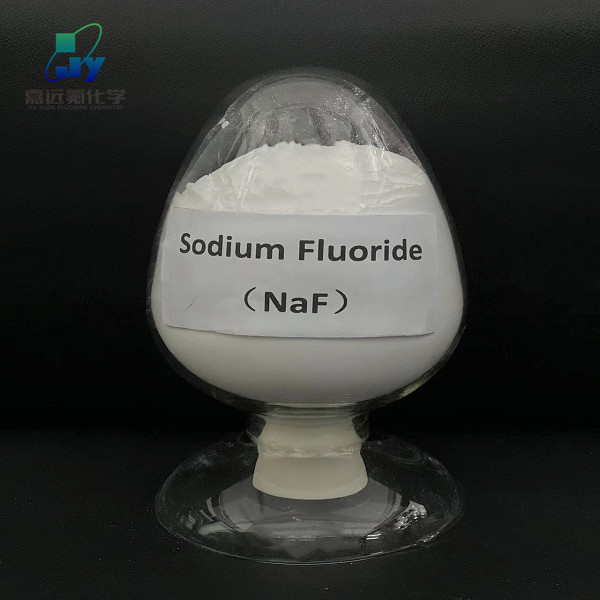
Sodium fluoride ( FNa )
Sodium fluoride ( FNa )
More +
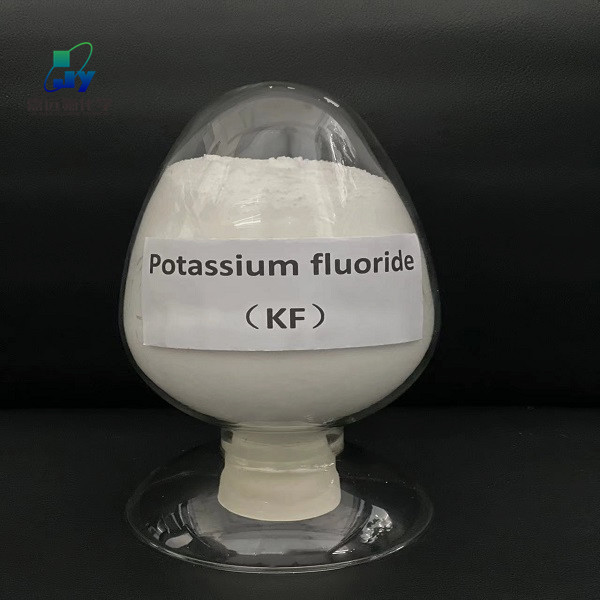
Potassium fluoride/POTASSIUM FLUORIDE(FK)
Potassium fluoride/POTASSIUM FLUORIDE(FK)
More +
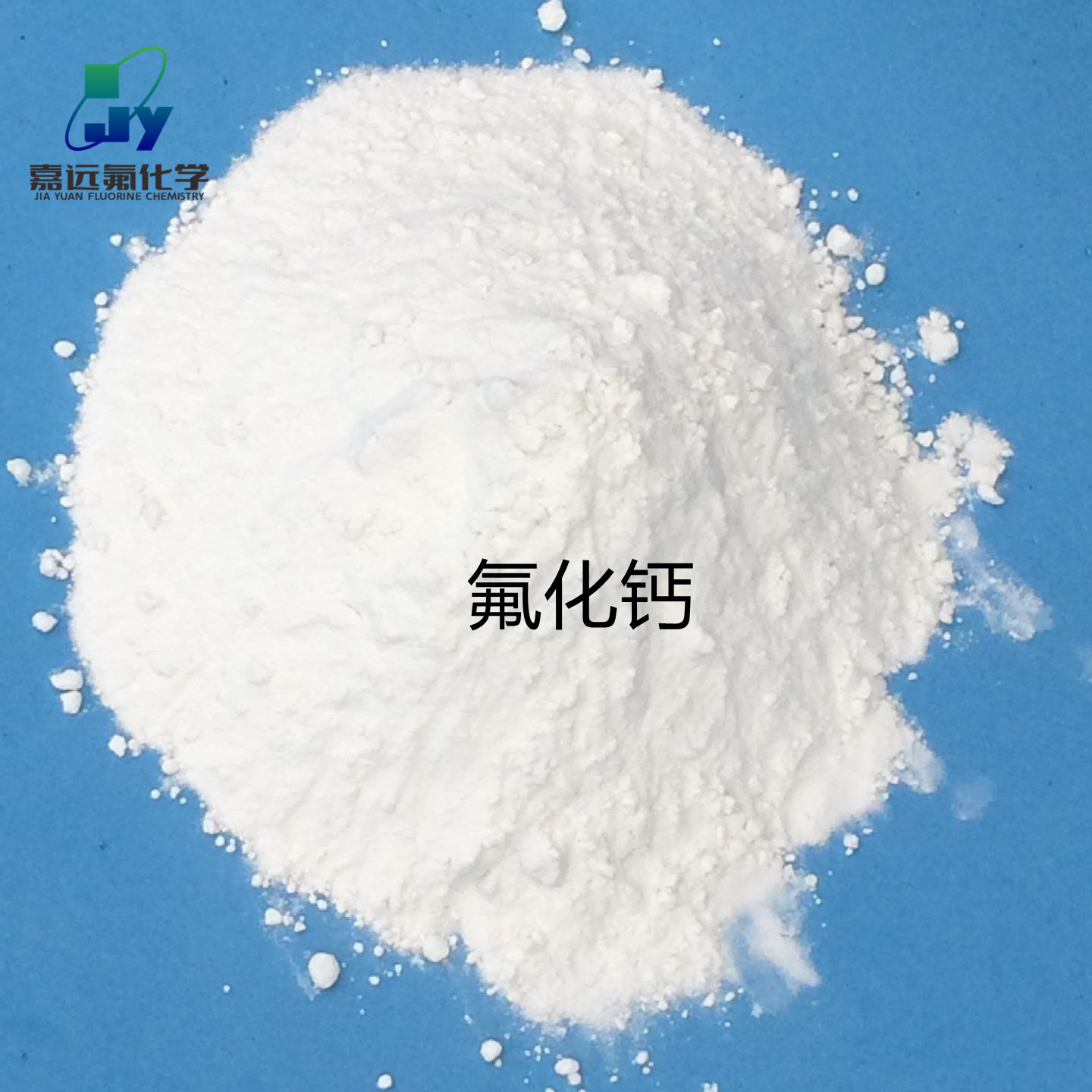
Calcium fluoride
Calcium fluoride
More +
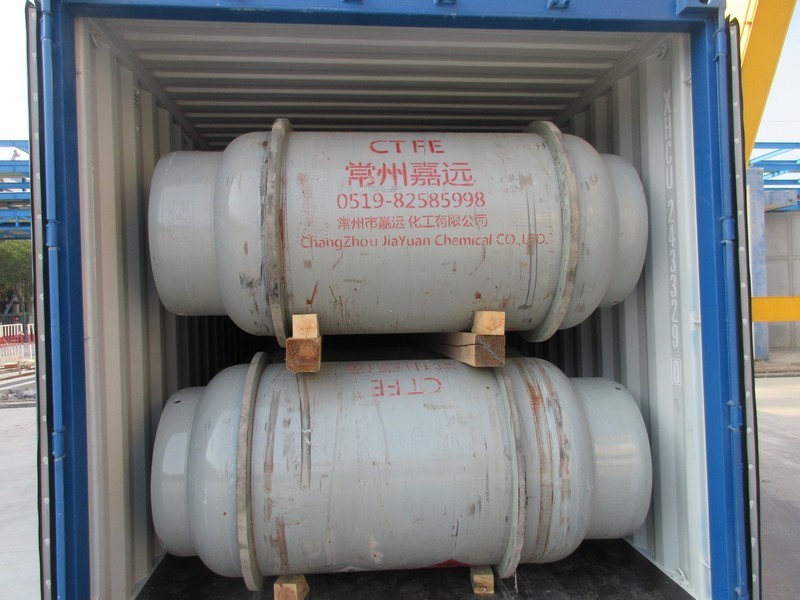
chlorotrifluoroethylene ctfe
chlorotrifluoroethylene ctfe
More +
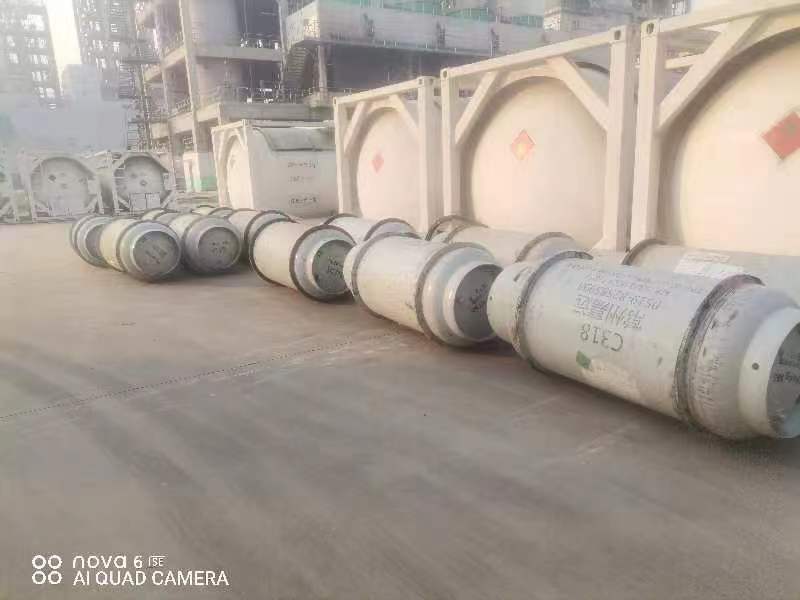
Octafluorocyclobutane(C318、C4F8)CAS:115-25-3
Octafluorocyclobutane(C318、C4F8)CAS:115-25-3
More +

Xenon gas
Xenon gas
More +


Technical team
With a number of industry talents, we have developed high-quality products and services for you


Production equipment
Professional imported R&D equipment to improve product quality and accurately develop various high-quality products


Industry experience
10 years of industry experience, providing you with products and solutions suitable for you, and trustworthy


Cooperative research
The enterprise is committed to cooperating with domestic famous fluorine chemical research institutes, specializing in the production and development of customized products such as fluorine-containing medicine
cooperative partner
Create a better tomorrow with Jiayuan Chemical


BALLINFO 2026: Jiayuan Chemical Targets Domestic Substitution of Fluorine-Containing Materials
This forum, hosted by Beijing BALLINFO, is held from October 21st to 23rd, 2026 at the Yuan Yi Hilton Hotel in Hefei, Anhui. The exhibition covers core sectors of electronic chemicals, including macroeconomics, fluorinated electronic chemicals, wet electronic chemicals, electronic-grade caustic soda, fluorinated specialty gases, advanced packaging materials, electronic-grade hydrogen peroxide, electronic specialty gases, electronic-grade hydrochloric acid, the PCB industry, and new display materials. During the forum, Changzhou Jiayuan Chemical was awarded the title of Outstanding Supplier of the Year in the Industry. This honor reflects the industry's recognition of the company's product quality, supply capacity, and service level, and also confirms our long-term accumulation in the field of fluorine-containing electronic chemicals.I. Industry Background and Market OpportunitiesCurrently, the electronic chemicals industry is facing a dual opportunity driven by domestic substitution and AI computing power. Fluorine-containing electronic chemicals are key materials in semiconductor manufacturing, with G5 and higher grades, compatible with advanced processes below 28nm, becoming the core of industry competitiveness. The domestic production rate of fluorine-containing specialty gases is approximately 40%, and there is a 40% to 50% global supply gap for butene hexafluoride, indicating a vast market potential. Changzhou Jiayuan Chemical has long been deeply involved in electronic-grade fluoride salts, fluorine-containing specialty gases, and organic fluorine products. With "fluorine empowerment and green cleaning" as its value proposition, and relying on a complete industrial chain from fluorite resources to end products, it is helping downstream industries upgrade towards high-end, specialized, and environmentally friendly directions. II. Focusing on Fluorine-Containing Functional Materials to Meet the Stringent Cleanliness Requirements of SemiconductorsIn the semiconductor cleaning field, Jiayuan Chemical's flagship hydrofluoroether (HFE449) solvent, with its low viscosity and low surface tension, achieves efficient and residue-free cleaning, meeting the stringent cleanliness requirements of semiconductor manufacturing. Among fluorinated electronic chemicals, G5 and higher grades, suitable for advanced processes below 28nm, are the core of industry competitiveness. There is a global structural shortage of approximately 60,000 tons of G5-grade fluorinated specialty gases, with downstream certification cycles typically requiring 1 to 3 years, giving first-mover companies a significant advantage in securing customers. This aligns perfectly with Jiayuan Chemical's long-standing focus on fluorinated functional chemicals. III . Seize the window of opportunity for domestic substitution and meet the incremental demand for AI computing power.Fluorinated specialty gases constitute the second largest semiconductor material sector after silicon wafers, with a domestic production rate of approximately 40%. The market is highly differentiated across sub-sectors: nitrogen trifluoride is highly competitive, tungsten hexafluoride is experiencing rapid growth, and butene hexafluoride faces a 40% to 50% global supply gap. On the demand side, HBM (Hypermetal Memory) wafers consume 8 to 10 times more specialty gases than ordinary DRAM, and the expansion of AI server and advanced packaging capacity will directly drive demand for fluorinated specialty gases. The application of fluorinated specialty gases in advanced processes is unlikely to be replaced within 30 years, making it a promising domestic substitution sector. Jiayuan Chemical's fluorinated specialty gas product portfolio is precisely positioned to tap into this growing market. IV . Leveraging the complete industrial chain to promote green win-win cooperation between fluorochemicals and electronic chemicalsChangzhou Jiayuan Chemical Co., Ltd. is a long-term supplier of electronic-grade fluoride salts, fluorinated specialty gases, organic fluorine products, and fluorinated intermediates. Adhering to the industry's development theme of "green, low-carbon, intelligent, and efficient," the company will continue to increase its R&D investment in hydrofluoroethers, high-purity electronic-grade fluoride salts, and fluorinated functional additives. Leveraging its complete industrial chain from fluorite resources to end products, the company accelerates the transformation of technological achievements and promotes deep synergy and green win-win cooperation between the fluorochemical industry and downstream electronic chemicals industries. New and existing customers are welcome to contact us for inquiries and procurement negotiations.
2026-10-26
Jiayuan Chemical: High-purity hexafluorobutadiene aids in precision etching
As advanced semiconductor manufacturing demands increasingly sophisticated high aspect ratio structures and precise pattern control, the purity and process compatibility of electronic specialty gases are becoming increasingly important. Hexafluorobutadiene (C₄F₆) is a specialty gas used for etching semiconductor dielectrics. Changzhou Jiayuan Chemical Co., Ltd. can provide high-purity hexafluorobutadiene with a purity of up to 99.995%, offering product options for related process applications. I. High-requirement etching processesResearch published by the National Institute of Standards and Technology (NIST) indicates that hexafluorobutadiene is suitable for critical semiconductor etching processes requiring high selectivity and high aspect ratio. Its application value lies in helping process developers optimize etching conditions for different thin film materials and structures; however, the actual effectiveness still needs to be evaluated in conjunction with equipment, process parameters, and customer verification results. II. 99.995% High Purity and Impurity ControlIn electronic specialty gas applications, gas purity and impurity control are crucial factors affecting process stability. According to Jiayuan Chemical, its hexafluorobutadiene products achieve a purity of 99.995%. For semiconductor and high-end materials customers, clearly defining purity indicators and continuously monitoring batch consistency facilitates incoming material evaluation, process verification, and supplier quality management. III. Focus on Performance and Environmental ManagementAccording to relevant technical documents from the U.S. Environmental Protection Agency, hexafluorobutadiene can be used in etching applications involving specific oxides and materials with low dielectric constants. Its environmental performance should be assessed in conjunction with specific research scope, life cycle, and actual emission controls, and should not be compared absolutically based on a single indicator. Production, transportation, and use must still comply with relevant special gas safety regulations and emission management requirements. ConclusionHigh-purity hexafluorobutadiene is one of the electronic specialty gases worth noting in the field of advanced semiconductor etching. Jiayuan Chemical can provide hexafluorobutadiene products with a purity of up to 99.995%. We welcome relevant customers to further discuss product specifications, packaging, and application requirements. FAQ1. What is the molecular formula of hexafluorobutadiene?Hexafluorobutadiene has the molecular formula C₄F₆ and its English name is Hexafluoro-1,3-butadiene. It is often used in semiconductor-specific dielectric etching processes.2. What is the purity of high-purity hexafluorobutadiene?According to the product information provided by Jiayuan Chemical, the product purity can reach 99.995%; specific indicators and testing items should be based on the latest product specifications and batch inspection documents.3. In which fields is hexafluorobutadiene mainly used?Its main applications include specific dielectric etching processes in semiconductor manufacturing. Its practical applicability needs to be verified based on the thin film material, equipment conditions, and process objectives. 2026-10-21
A delegation from Changzhou Jiayuan Chemical visited the National Chip Exhibition at the Shanghai International Industry Fair, focusing on the integration of the semiconductor materials industry chain
From October 12th to 16th, 2026, a delegation from Changzhou Jiayuan Chemical Co., Ltd. visited the 26th China International Industry Fair (Shanghai) at the National Exhibition and Convention Center (Shanghai), where the integrated circuit exhibition (CIIC) was held for the first time as an independent event. The delegation focused on examining exhibitors in the semiconductor materials and fluorochemical industry chain, and explored customer development and industry connections in line with the company's new materials business. This year's CIIC brought together over 300 companies from the entire integrated circuit industry chain, covering design, manufacturing, packaging and testing, equipment, and materials, providing a centralized platform for chemical new materials companies to connect with the semiconductor supply chain. Industrial Collaboration: From Fluorochemical Raw Materials to Wafer Manufacturing ApplicationsThe Jiayuan delegation focused on visiting the exhibition areas related to electronic manufacturing and semiconductor materials. Within these areas, companies from the entire industry chain were showcased, ranging from upstream fluorochemical raw materials and ultra-clean, high-purity wet electronic chemicals to downstream fluoroplastic processing products and wafer manufacturing applications. Delegation members exchanged views with several exhibitors on application scenarios and supply collaborations for products such as hydrofluoric acid, ammonium fluoride, PTFE, and PFA. According to the discussions, semiconductor manufacturing has stringent requirements for the purity and batch stability of wet electronic chemicals. The demand for fluoromaterials in equipment sealing, cleaning tanks, and thermal insulation sleeves continues to grow, and collaborative development between material companies and manufacturers is becoming an important direction for industry chain cooperation. Benchmark against product catalogs and advance potential customer development. Prior to the visit, Jiayuan Chemical compiled a list of target companies based on its product catalog, covering wafer foundry, fluorochemicals, electronic bulk gases, and fluoroplastics processing. During the exhibition, the delegation visited relevant booths, focusing on understanding customers' specifications for ultra-clean, high-purity chemicals such as UP-grade hydrofluoric acid, ammonium fluoride, ammonia, sulfuric acid, and hydrogen peroxide, as well as procurement and cooperation models for fluorine materials such as PTFE, FEP, and PFA. Several exhibitors expressed interest in connecting with the delegation, which simultaneously established contact channels, accumulating resources for subsequent sample delivery, technical exchanges, and business negotiations. Taking the exhibition as an opportunity, we will explore practical cooperation in the field of materials.Members of the Jiayuan delegation stated that the National Chip Exhibition at this year's China International Industry Fair (CIIF) showcased the collaborative landscape of the semiconductor material localization process and provided a clear path for chemical new materials companies to enter the semiconductor supply chain. Jiayuan Chemical will take this visit as an opportunity to continuously track the dynamics of the semiconductor functional chemicals and fluorine materials industries, exploring new and pragmatic cooperation paths in areas such as electronic chemical supply chain collaboration and the expansion of downstream applications of fluorine materials, driving high-quality development of the company through technological innovation.2026-10-19
Changzhou Jiayuan Chemical Co., Ltd. cordially invites you to the
Currently, the global semiconductor and electronic information industry landscape is undergoing rapid restructuring, with the process of domestic substitution continuing to accelerate. As the cornerstone of core areas such as chips, wafers, and photovoltaics, electronic materials are facing unprecedented opportunities and challenges. From October 21st to 23rd, 2026, the highly anticipated "BAllNFO 2026 Seminar on Electronic Materials Technology Developmentand Market Situation" will be grandly held in Hefei, Anhui. Changzhou Jiayuan Chemical Co., Ltd. (hereinafter referred to as "Jiayuan Chemical") will showcase its full range of fluorochemical products, looking forward to exchanging ideas with industry colleagues and exploring new development paths. Hefei, as a major hub for China's semiconductor and photovoltaic industries, boasts a well-developed industrial support system. This seminar will bring together manufacturers, downstream buyers, research institutions, and investment organizations across the industry chain to deeply analyze industry pain points and assess domestic and international market supply and demand trends. Jiayuan Chemical, a company specializing in R&D, production, and international trade in the fluorochemical field, will take this opportunity to report and showcase its achievements in the fluorochemical industry chain. Since its establishment in 2014, Jiayuan Chemical has consistently adhered to technological innovation and is committed to cooperation with well-known domestic fluorochemical research institutes. Currently, the company has gradually built a complete industrial chain from basic fluorite mine investment to fluorine product production, forming a balanced upstream and downstream development pattern based on fluorite. At this exhibition, Jiayuan Chemical will focus on showcasing two core product lines:In the area of organofluorine products, the company will showcase trifluorochloroethylene (CTFE) with an annual production capacity of 3,500 tons, octafluorocyclobutane (C318) with an annual production capacity of 1,000 tons, as well as hexafluorobutadiene, octafluoropropane, PMVE, and other products. The company also possesses certain OEM manufacturing capabilities, covering products such as perfluoroethylene propylene (F46) and hexafluoropropylene oxide. In terms of inorganic fluorine production lines, Jiayuan Chemical will bring high-quality products such as electronic-grade potassium fluoride (6,000 tons per year), electronic-grade magnesium fluoride, electronic-grade lithium fluoride, electronic-grade calcium fluoride, and toothpaste-grade sodium fluoride, and provide professional customized fluorine product production line services to meet the diversified needs of the market. In addition to its products, Jiayuan Chemical will also showcase its professional sales and technical team, as well as its comprehensive after-sales service system. Adhering to the principle of "customer first, integrity paramount," the company looks forward to in-depth exchanges with domestic and international enterprises and institutions in Hefei to establish long-term cooperative relationships. From October 21st to 23rd, 2026, in booth A2, Hilton Hefei, Anhui, Changzhou Jiayuan Chemical cordially invites you to visit our booth. We look forward to working with you to create a bright future for the fluorochemical and electronic materials industries! FAQQ1: What products is your company promoting at this exhibition? A: We will focus on showcasing two major production lines. In the organic fluorine sector, we will primarily promote products such as trifluorochloroethylene (CTFE) and octafluorocyclobutane (C318), and provide OEM manufacturing services for products such as F46. In the inorganic fluorine sector, we will offer high-quality products such as electronic-grade potassium fluoride, magnesium fluoride, and lithium fluoride, while also providing customized production line services for fluorine products to meet diverse needs. Q2: What are your company's core advantages? A: Our main strengths lie in our industry chain layout and professional services. The company has invested in fluorite mines in Myanmar and Inner Mongolia, forming a complete upstream and downstream industry chain based on fluorite, which helps ensure stable supply. We also have a professional sales and technical team, adhering to the principle of "customer first, integrity paramount," and providing a relatively sound after-sales service system. Q3: How can we contact you if we are interested in cooperation? A: We welcome you to visit our booth for face-to-face discussions during the exhibition from October 21st to 23rd, or contact our business manager, Mr. Yuan, directly at 13918169366 (WeChat ID is the same). Whether it's product consultation or OEM manufacturing cooperation, we will provide you with professional support.2026-10-14
[Rare Gases Monthly Review]: Helium market continues its downward trend, krypton prices weaken (September 2026)
Market AnalysisIn September 2026, the domestic rare gas market showed a mixed performance. Helium prices continued to decline overall, krypton prices shifted downwards, while xenon and neon prices remained stable but trading was weak. Market supply was relatively abundant, downstream procurement was cautious, and the overall trading atmosphere was moderate. Regarding helium, the average monthly price of bottled high-purity helium continued to decline. Market supply remained ample, but downstream purchasing activity was weak, with companies primarily focusing on price reductions to move inventory, leading to a continued downward trend in bottled helium prices. Bulk intermediaries shifted their purchasing focus downwards, with companies in East China lowering prices to move inventory, and some low-priced transactions continuing to decline; mainstream transactions in Southwest China followed suit. The market prices for both imported and domestically produced high-purity helium in tubular form also continued to decline. Imported supplies remained plentiful, and domestic helium production continued to increase, resulting in an overall sufficient supply. In this downward trend, channel purchasing activity was generally low, and with the upcoming holidays, downstream procurement slowed, causing market prices to drop rapidly. In Inner Mongolia and Shaanxi, mainstream ex-factory prices for high-purity helium in tubular form continued to decline, market trading was subdued, and downstream buyers were largely unwilling to accept goods, adopting a wait-and-see attitude. Regarding xenon, the average market price remained stable, but the transaction focus shifted downwards. The supply-demand imbalance has not yet eased, and prices continued to decline, with some low-priced transactions occurring. Regarding krypton gas, while the nominal average market price remained stable, the actual transaction focus shifted downwards, with the monthly average price declining month-on-month. Downstream end-users purchased only as needed, anchored to actual production demands, and were cautious about stockpiling. Given the weak market conditions, factories and traders generally lowered their prices to compete for orders, accelerating inventory turnover and releasing supply. Regarding neon, market prices remained stable, transaction volume shifted downwards, channel inventory was ample, and the trading atmosphere was weak. Market OutlookLooking ahead, the high-purity helium market is expected to continue its downward trend in October 2026, with further room for price declines, but a sustained deep drop is unlikely. On the supply side, overall supply remains high: maintenance shutdowns at some Russian gas sources may reduce imports, but gas from the US and Germany continues to flow into the domestic market; coupled with the continued release of domestic helium production capacity, the increase in domestically produced tubular helium is significant, resulting in ample market supply. On the demand side, essential consumption from the medical and semiconductor industries provides basic support, but downstream end-users are driven by actual production schedules and are cautious in their purchasing, making large-scale restocking unlikely in the short term. It is expected that the average purchase price for imported tubular high-purity helium by intermediaries will continue to decline, with a larger drop in domestically produced tubular high-purity helium, and a corresponding reduction in bulk purchase prices for bottled high-purity helium.Xenon prices are expected to see a slight downward adjustment. Downstream demand remains weak, with only sporadic transactions for immediate needs. The market lacks positive support, and prices are likely to continue their downward trend in October. Domestic krypton prices are likely to continue their significant decline in October. Currently, downstream purchasing enthusiasm is low, and factories and traders face significant pressure to reduce inventory. Market players are generally lowering prices to compete for orders and accelerate inventory release and cash flow recovery. The neon market is expected to remain stable. In the short term, the spot market is quiet, with supply and demand approaching equilibrium. Producers and traders are mostly shipping close to cost, and there is no immediate incentive for significant price adjustments. Professional supplier, trustworthyIn the current volatile and adjusting rare gas market, choosing a stable and reliable supply channel is particularly important. Jiayuan has long focused on the rare gas business, possessing abundant resources and a professional service team in the fields of helium, xenon, krypton, and neon. With ample supply and guaranteed quality, we can provide customers with flexible and efficient procurement solutions. We welcome new and existing customers to contact Jiayuan to discuss procurement matters and achieve mutual benefit and future development.2026-10-12
Welcome to establish long-term cooperative relations with our company
Please contact us
0086-15366800998
Domestic Trade Contact:President Yuan
Mobile:0086-15366800998
Email:999yhsen@163.com
Minister of Foreign Trade:Jane
Mobile:0086-15366800998
Email:janeyuan@czjyhg.com
Address:1304, Block B, Jinsha Science and Technology Financial Center, Jintan District, Changzhou City, Jiangsu Province
Tel:0086-15366800998
Fax:0086-0519-82110997
From
2015
Focus on fluorine-containing pharmaceutical&pesticide intermediates


