
0086-15366800998

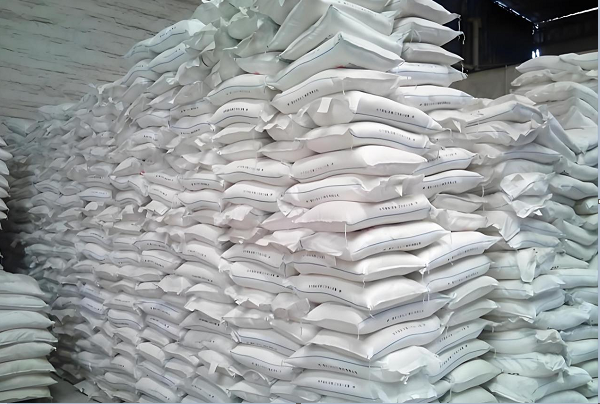
Recently, the application of sodium metaphosphate in many industries has attracted widespread attention. Its unique properties enable it to play an important role in the fields of chemical, food, pharmaceuticals, etc., and the market demand is also showing a growing trend.
In the chemical industry, sodium metaphosphate is an important auxiliary agent. It is often used in metal surface treatment, electroplating and cleaning. Due to its good corrosiveness and cleaning ability, it can effectively remove dirt and oxides on the metal surface, providing a good foundation for the subsequent processing of metal products. For example, in the automobile manufacturing industry, sodium metaphosphate can be used to clean auto parts and improve the surface quality of parts, thereby ensuring the overall performance and safety of the car. In addition, in the field of industrial cleaning, sodium metaphosphate is also a commonly used cleaning agent that can quickly and effectively remove various oil stains and stains, providing convenience for industrial production.
The food industry is another important application area of sodium metaphosphate. As a food additive, sodium metaphosphate can be used as a food emulsifier, chelating agent and texturizer. In dairy products, it can stabilize the emulsion system and improve the taste and quality of dairy products; in meat products, sodium metaphosphate can improve the gel strength and water holding capacity of meat products, making meat products more tender and juicy1. As people's requirements for food quality continue to increase, the market demand for food-grade sodium metaphosphate is also gradually increasing. According to data from relevant market research institutions, the market size of food-grade sodium metaphosphate has continued to expand in recent years, and it is expected to maintain a high growth rate in the next few years.
In the pharmaceutical field, sodium metaphosphate also has certain applications. It can be used as an excipient in pharmaceutical preparations to improve the stability and solubility of drugs. For example, in some oral liquid preparations, sodium metaphosphate can play a role in regulating pH and increasing drug stability. In addition, in some topical drugs, sodium metaphosphate can also be used as a moisturizer and stabilizer to improve the efficacy of the drug.
From the market perspective, the global sodium metaphosphate market is currently highly competitive. Many domestic and foreign companies have increased their R&D investment and continuously launched new products and technologies to improve their market competitiveness. At the same time, with the continuous improvement of environmental protection requirements, some environmentally friendly sodium metaphosphate products have gradually gained favor in the market. For example, some companies have developed low-pollution, low-energy sodium metaphosphate production processes, which not only reduce production costs, but also reduce the impact on the environment, and have good market prospects.
Industry experts said that as a multifunctional chemical, sodium metaphosphate is still expanding its application areas. In the future, with the continuous advancement of science and technology and the continuous increase in market demand, the market size of sodium metaphosphate is expected to continue to expand. At the same time, Jiayuan keeps up with market trends, continuously strengthens technological innovation, and improves product quality and performance to meet market demand.

Inquiries about fluoride salts are rising in Changzhou Jiayuan market, with demand for different varieties becoming increasingly differentiated.
Recently, inquiries in the domestic fluoride market have increased significantly. The frequency and scope of inquiries for sodium fluoride, potassium fluoride, magnesium fluoride, and aluminum fluoride have all expanded compared to the previous period. Some downstream users have shifted from "small-volume, on-demand" to "locking in quantities in advance and comparing prices from multiple sources." However, this rebound in inquiries does not represent a repeat of a general price increase – under the dual effects of rigid cost increases and structural changes in demand, different products are exhibiting significantly different market trajectories. Aluminum Fluoride: The tug-of-war between cost and demand remains unresolved.Raw material costs such as sulfuric acid, fluorite, and aluminum hydroxide continue to rise, with the industry's average cost significantly higher than historical averages. The pressure of cost-price inversion has persisted for several quarters, and operating rates have remained persistently below 40%. While supply contraction can support the market bottom, electrolytic aluminum procurement is primarily driven by rigid restocking with a lack of incremental growth, repeatedly limiting upward price potential. The core contradiction has evolved from "supply exceeding demand" to a "fragile balance under high costs." In this context, Jiayuan Chemical can stably supply aluminum fluoride products, including 99.95% high-purity aluminum fluoride. Leveraging its mature fluorochemical industry chain resources, Jiayuan Chemical provides customers with reliable supply guarantees and batch consistency in an environment of high costs and supply contraction. Downstream users with rigid procurement needs and high-purity requirements are welcome to inquire and negotiate prices. Sodium fluoride: Industrial grade remains stable, battery grade opens up structural gaps.Global demand for industrial-grade sodium fluoride is approximately 100,000 tons annually, with an annual growth rate of about 5%, while China's supply is relatively abundant. The real variable comes from sodium-ion batteries: sodium fluoride, required for the synthesis of sodium hexafluorophosphate, is the sole source of sodium ions, with a consumption of 0.27 to 0.28 tons per ton. Battery-grade sodium fluoride requires a main content threshold of over 99.95% and impurities at the ppm level. Coupled with a certification cycle of 6 to 12 months, effective supply is forming much slower than demand growth, making it the structural direction with the clearest expectation of premium. Jiayuan Chemical has long focused on the research and supply of high-purity fluorides and can provide battery-grade high-purity sodium fluoride with a main content consistently above 99.95% and impurities controlled at the ppm level. Relying on mature fluorochemical industry chain resources, we ensure batch consistency and stable supply. Downstream sodium battery material companies are welcome to inquire and request samples. Potassium fluoride: A rigid foundation for pesticides and pharmaceuticals, with the high-purity market steadily expanding.The global market is expanding at a compound annual growth rate of nearly 3%, with pesticide formulations and pharmaceutical fluorinated intermediates as the core downstream sectors. Purity levels of 95% to 99% remain dominant, but the pharmaceutical, electronics, and semiconductor industries are tightening controls on moisture and trace element impurities, leading to increased penetration of high-purity potassium fluoride. Downstream selection is shifting from "availability of supply" to "consistent compliance with standards." Jiayuan Chemical can supply high-purity potassium fluoride, managing batches according to pharmaceutical, electronics, and semiconductor standards, and supports technical inquiries regarding specific impurity profiles and batch consistency. Magnesium fluoride: Not following the mass-market logic, but defining the pace of high-end optics and semiconductors.The pace of consumption is increasingly determined by high-end manufacturing scenarios such as precision optics, semiconductor lithography, deep ultraviolet and infrared optical systems, and laser devices. Purity consistency, particle size control, crystal growth process stability, and batch traceability are replacing simple cost pricing as the core considerations. Jiayuan Chemical can provide high-purity magnesium fluoride for these high-end scenarios, supporting sample verification and small-batch trials within the qualification period. Common cost base and different solutionsThe common cost base behind the four fluoride salts is fluorite, whose rigid supply constraints and rising price levels systematically raise the cost floor of the industry chain. The differentiation lies not in "whether there is cost pressure," but in "whether cost pressure can be transformed into a driving force for product upgrades." Jiayuan Chemical focuses on the research and supply of fluorinated chemicals, high-purity fluorides, and specialty materials. Its product line covers high-purity sodium fluoride, potassium fluoride, magnesium fluoride, aluminum fluoride, and 99.99% high-purity calcium fluoride (CaF₂). It has long served the electronic materials, semiconductor, optics, new energy, and fine chemical industries, and is committed to providing global customers with diversified fluoride solutions, from industrial-grade to high-purity, through a stable supply of high-purity products and guaranteed batch consistency. Changzhou Jiayuan has a large stock of high-purity sodium fluoride, potassium fluoride, magnesium fluoride, aluminum fluoride and other fluoride products. Customers with needs are welcome to contact us at any time for inquiries, samples and cooperation. FAQQ1: What is the core difference between battery-grade sodium fluoride and industrial-grade sodium fluoride?A: Battery-grade sodium fluoride has a main purity threshold of over 99.95%, with impurities controlled at the ppm level, and requires a 6-12 month customer certification period. Industrial-grade sodium fluoride is mainly used for traditional applications, with relatively lower purity thresholds and certification barriers. Jiayuan Chemical can provide high-purity battery-grade sodium fluoride, supporting sample verification and bulk supply negotiations. Q2: What indicators are typically considered in "technical inquiries" for high-purity potassium fluoride?A: The main concerns are moisture content, specific impurity profiles, batch consistency, and the ability to consistently meet standards. Jiayuan Chemical manages batches according to standards used in the pharmaceutical, electronics, and semiconductor industries, and can respond to technical inquiries regarding specific impurity profiles and batch consistency. Q3: Why can't magnesium fluoride be priced according to the logic of commodities?A: The demand for magnesium fluoride is driven by high-end manufacturing applications such as precision optics, semiconductor lithography, deep ultraviolet and infrared optical systems, and laser devices. Supplier competition focuses on purity consistency, particle size control, crystal growth process stability, and batch traceability. The pace of production ramp-up depends on the certification progress of specific projects rather than short-term supply and demand gaps. Jiayuan Chemical can provide high-purity magnesium fluoride and supports sample verification during the qualification period.
More +
2026-11-13

Jiayuan's 1,000 t/y Battery-Grade LiF Supply Certainty amid High-Energy Battery & Li-Salt Expansion
The high-energy-density lithium battery and next-generation solid-state battery industry chain is undergoing a period of intensive material iteration. In the electrolyte and electrolyte stage, lithium bisfluorosulfonyl imide (LiFSI) and lithium hexafluorophosphate (LiPF6) are rapidly moving towards higher purity and lower moisture content. Meanwhile, solid-state battery R&D companies are actively exploring the construction of artificial solid electrolyte interphase (SEI) layers using lithium fluoride. In these commercialized and cutting-edge technology systems, high-purity battery-grade lithium fluoride is an indispensable basic core raw material: it is not only the only fluorine/lithium dual-source precursor for mainstream lithium salt synthesis, but also a key special material for interface modification in high-energy-density batteries. In contrast to the fervor surrounding downstream high-energy-density battery material capacity planning, the effective supply of upstream high-purity battery-grade lithium fluoride is not abundant. Especially in the high-end synthesis sector, companies operate on a "production-to-order" model, strictly controlling raw material fluctuations. Demand exhibits a pulsed rhythm, with centralized procurement only occurring after process integration or downstream orders are received. This procurement model imposes an implicit requirement on upstream suppliers: they must possess readily available production capacity and guarantee extremely high batch consistency, rather than planned capacity that needs to be activated temporarily. Jiayuan Chemical's 1,000-ton-per-year battery-grade lithium fluoride production line is operating stably. The practical significance of this capacity in the current supply landscape needs to be understood within the context of downstream customers' industrialization pace. Whether it's the expansion of lithium salt plants with capacities of tens of thousands of tons or the progress of solid-state electrolyte R&D companies from small-scale to pilot-scale testing, once these downstream capacities enter the actual production scheduling stage, the procurement of battery-grade lithium fluoride will be continuous, rather than sporadic sample deliveries at the beginning of projects. Jiayuan Chemical's 1,000-ton/year production capacity corresponds to readily available lithium/fluoride source options during this procurement phase. In practice, downstream material companies typically begin their evaluation of lithium fluoride suppliers with sample testing, gradually transitioning to batch stability verification and small-batch trial orders. Jiayuan Chemical achieves a measured purity of 99.9%, issuing a Certificate of Analysis (COA) report for each batch, with traceable batch numbers. The practical value of this approach lies in the fact that when customers enter the small-batch trial order stage, each batch arrival has corresponding testing records for comparison. Batch-to-batch fluctuations in key indicators such as moisture and metal impurities can be quantified and assessed, rather than relying on verbal promises from suppliers. Given the high sensitivity of lithium salt synthesis and solid-state electrolyte preparation to raw material consistency, traceable batch records are a practical tool for shortening supplier onboarding cycles. Jiayuan Chemical can provide testing samples for downstream synthesis manufacturers and R&D companies to verify their products, and cooperate with customers to complete subsequent batch stability studies. For high-energy-density battery material production lines that are being planned or have already started production, including an option with production capacity and batch traceability in the raw material supplier list is fundamental to ensuring production continuity and process stability. FAQQ1: What kind of downstream customers are suitable for Jiayuan Chemical's battery-grade lithium fluoride?We primarily target three types of customers:1. Lithium/Sodium Salt Manufacturers: As the core synthetic raw material for the production of lithium hexafluorophosphate (LiPF6), LiFSI, and sodium hexafluorophosphate (NaPF6) (the key lies in reaction compatibility).2. Solid electrolyte R&D and materials companies: As raw materials for special materials, they are used to construct interface protective layers or synthesize specific components.3. Cell material layer research and development: used for electrolyte additive synthesis or positive and negative electrode interface modification. Q2: Why do downstream companies need to pay attention to the "production" status of upstream lithium fluoride?Currently, the high-end lithium salt and new materials industry largely operates on a make-to-order basis, without regular inventory, resulting in pulse-like demand. Downstream companies only purchase raw materials after receiving orders, meaning upstream lithium fluoride suppliers must be able to supply at any time. Planned production capacity or production lines that need to be started temporarily are difficult to match this procurement rhythm. Q3: How to obtain samples or promote supplier onboarding?You can contact Changzhou Jiayuan Chemical Co., Ltd. through their official channels. The company is located on the 13th floor of Building B, Jinsha Science and Technology Financial Center, Jintan District, Changzhou City, with the telephone number 0519-82585998. They can provide product specifications and test samples for downstream customers to verify. Furthermore, the company strictly matches indicators according to the "synthetic application and customer process," avoiding any confusion between the uses of synthetic raw materials and additives, ensuring accurate and precise technical alignment.
More +
2026-11-11

Jiayuan Chemical 1,000 t/y Battery-Grade LiF in Stable Production at 99.9% Purity
With the continuous improvement of the quality requirements for core fluorine/lithium source materials in the high-energy-density lithium battery and next-generation solid-state battery industry chain, the large-scale and stable supply capacity of battery-grade lithium fluoride is becoming a focus of attention for downstream lithium hexafluorophosphate, lithium bisfluorosulfonylimide (LiFSI), and solid electrolyte companies. Industry analysis indicates that high-purity lithium fluoride is a key raw material for providing fluoride and lithium ions in the synthesis processes of mainstream lithium salts (such as LiPF6 and LiFSI) and new sodium salts (such as NaPF6). Changzhou Jiayuan Chemical Co., Ltd.'s battery-grade lithium fluoride production line has achieved stable operation with an annual output of 1,000 tons. The technological barriers to battery-grade lithium fluoride lie in three key areas: purity, moisture control, and metal impurity management. To meet the demands of downstream high-end lithium salt synthesis and specialty material development, battery-grade lithium fluoride typically requires a main content of ≥99.5% or higher, while stringent ppm-level control is implemented for metal impurities such as calcium, magnesium, iron, and nickel, as well as moisture. Jiayuan Chemical's recent mass-produced batches have achieved a measured purity of 99.9%, placing them at the forefront of the industry. Key metal impurity indicators and moisture content also meet battery-grade specifications. Each batch comes with a Certificate of Analysis (COA) test report, and the batch number information is complete and traceable. From the perspective of the supply chain, the large-scale production capacity of battery-grade lithium fluoride that meets the adaptability to high-end synthesis processes remains a scarce resource. Public information shows that some companies' high-purity lithium fluoride projects are still in the planning or ramp-up stage. At the same time, new lithium salts such as LiFSI and solid-state battery materials are accelerating their commercial mass production and supplying mainstream battery manufacturers. Stable procurement demand for upstream high-purity lithium fluoride is forming. Jiayuan Chemical's 1,000-ton/year production capacity provides downstream customers with a reliable option that has been successfully validated through mass production, ensuring a high-quality lithium/fluorine source supply. Jiayuan Chemical possesses a complete batch quality control system and testing capabilities. Its products are widely used in the synthesis of lithium salts such as lithium hexafluorophosphate (LiPF6) and LiFSI, as well as in the preparation of solid electrolyte materials. Going forward, it will continue to advance sample delivery and joint verification work based on customer certification requirements. FAQQ1: What are the key technical indicators and standards for battery-grade lithium fluoride?Currently, most battery-grade lithium fluoride products in the industry refer to relevant national/industry standards (such as YS/T 661) or internal company control standards. This grade of product has extremely high requirements for the main content (typically ≥99.5%, with our company's actual measurements reaching 99.9%). The core challenge lies in controlling moisture (H₂O), free acid, and metallic impurities (such as iron, calcium, and magnesium) at the ppm level. Excessive moisture and impurities directly affect the yield of downstream synthesis reactions and the electrochemical performance of the final battery materials. Q2: What is the production capacity of Jiayuan Chemical's battery-grade lithium fluoride?With an annual production capacity of 1,000 tons, the production line has achieved stable operation, product batch information is traceable, and a COA test report is issued for each batch. Q3: In which specific scenarios can the product be applied?We primarily target three types of customers:1. Lithium/Sodium Salt Manufacturers: As the core synthetic raw material for the production of lithium hexafluorophosphate (LiPF6), LiFSI, and sodium hexafluorophosphate (NaPF6) (the key lies in reaction compatibility).2. Solid electrolyte R&D and materials companies: As raw materials for special materials, they are used to construct interface protective layers or synthesize specific components.3. Cell material layer research and development: used for electrolyte additive synthesis or positive and negative electrode interface modification. Q4: How can I contact Jiayuan Chemical to obtain product information?Changzhou Jiayuan Chemical Co., Ltd. is located on the 13th floor of Building B, Jinsha Science and Technology Financial Center, Jintan District, Changzhou City. Our contact number is 0519-82585998. We can provide product specifications and test reports for downstream customers. For specific morphology or special purity requirements, our technical team is welcome to contact us directly.
More +
2026-11-12

Jiayuan Chemical's 3,000 t/y Battery-Grade NaF Supply Certainty for Sodium-Ion Electrolytes
The sodium-ion battery electrolyte industry chain is undergoing a period of intensive capacity expansion. Tinci Materials has already supplied sodium battery electrolytes to leading companies and completed the supporting construction of sodium hexafluorophosphate and NaFSI production capacity; Do-Fluoride Chemicals' thousand-ton-level sodium hexafluorophosphate production line has been commercially mass-produced, supplying several mainstream sodium battery and electrolyte manufacturers. Sodium hexafluorophosphate, as the core solute of sodium battery electrolytes, accounts for more than 90% in the current commercial system. And the capacity expansion in this segment ultimately depends on one upstream raw material: battery-grade sodium fluoride. In contrast to the enthusiastic planning of downstream sodium hexafluorophosphate production capacity, the effective supply of upstream battery-grade sodium fluoride is not abundant. The sodium hexafluorophosphate industry currently operates on a "production-to-order" model, without advance stockpiling or regular inventory, with demand exhibiting a pulse-like rhythm of "centralized procurement only after downstream orders are received." This procurement model places an implicit requirement on upstream sodium source suppliers: they must have readily available production capacity, rather than planned capacity that needs to be activated temporarily. Jiayuan Chemical's 3,000-ton-per-year battery-grade sodium fluoride production line is operating stably. The practical significance of this capacity in the current supply landscape needs to be understood within the context of the ramp-up of sodium hexafluorophosphate production. Dofluoride's thousand-ton-per-year production line is already in mass production, and Tinci Materials has a usable capacity of tens of thousands of tons. Once these downstream capacities enter the actual production scheduling phase, the procurement of battery-grade sodium fluoride will be continuous, rather than the sporadic sample deliveries at the initial stage of the project. Jiayuan Chemical's 3,000-ton/year production capacity corresponds to the sodium source options that can be immediately accessed during this procurement phase. In practice, sodium hexafluorophosphate (SPF) companies typically begin their evaluation of sodium fluoride suppliers with sample testing, gradually transitioning to batch stability verification and small-batch trial orders. Jiayuan Chemical issues a Certificate of Analysis (COA) report for each batch, with traceable batch numbers. The practical value of this approach lies in the fact that when customers enter the small-batch trial order stage, each batch arrival has corresponding testing records for comparison, allowing for quantifiable assessment of batch-to-batch fluctuations in indicators, rather than relying on verbal promises from suppliers. Given the SPF industry's prevalent order-based production model and customers' high sensitivity to raw material consistency, traceable batch records are a practical tool for shortening supplier onboarding cycles. Jiayuan Chemical can provide testing samples for downstream sodium hexafluorophosphate and electrolyte companies to verify their products, and cooperate with clients to complete subsequent batch stability studies. For companies that are planning or have already started production of sodium hexafluorophosphate production lines, including an option with production capacity and batch traceability in the list of sodium source suppliers is a fundamental step in ensuring production continuity. FAQQ1: What kind of downstream customers are suitable for Jiayuan Chemical's battery-grade sodium fluoride?Primarily targeting sodium hexafluorophosphate (Sodium hexafluorophosphate) synthesis companies and sodium battery electrolyte manufacturers. Sodium hexafluorophosphate is the core solute in sodium battery electrolytes, while sodium fluoride is a key raw material providing sodium ions in its synthesis reaction. Jiayuan Chemical has an annual production capacity of 3,000 tons, suitable for downstream customers with continuous purchasing needs who value batch consistency and supply stability. Q2: Why do sodium hexafluorophosphate companies need to pay attention to the "production" status of upstream sodium fluoride?The sodium hexafluorophosphate industry currently operates on a make-to-order basis, without maintaining regular inventory, resulting in pulse-like demand. Downstream companies only purchase raw materials after receiving orders, meaning upstream sodium fluoride suppliers must be able to supply at any time. Planned production capacity or production lines that need to be started temporarily are difficult to match this purchasing rhythm. Q3: How to obtain samples or promote supplier onboarding?You can contact Changzhou Jiayuan Chemical Co., Ltd. through their official channels. The company is located on the 13th floor of Building B, Jinsha Science and Technology Financial Center, Jintan District, Changzhou City. The phone number is 0519-82585998. They can provide product specifications and test samples for downstream customers to verify.
More +
2026-11-06
Welcome to establish long-term cooperative relations with our company
Please contact us
0086-15366800998
Domestic Trade Contact:President Yuan
Mobile:0086-15366800998
Email:999yhsen@163.com
Minister of Foreign Trade:Jane
Mobile:0086-0519-15366800998
Email:janeyuan@czjyhg.com
Address:1304, Block B, Jinsha Science and Technology Financial Center, Jintan District, Changzhou City, Jiangsu Province
Tel:0086-15366800998
Fax:0086-0519-82110997
From
2015
Focus on fluorine-containing pharmaceutical&pesticide intermediates
