
0086-15366800998

Organic fluorine products
Trifluoroacetic acid (TFA)
Domestic product consultation
0086-15366800998
Foreign Trade Hotline
0086-15366800998
Product Details
Product Introduction
Trifluoroacetic acid (TFA) is an important fluorinated organic strong acid with the molecular formula C₂HF₃O₂. As a key raw material for organic synthesis, pharmaceuticals, pesticides, and fluorinated materials production, TFA is widely used as a catalyst, solvent, and fluorinating agent due to its strong acidity, strong electron-withdrawing trifluoromethyl effect, and excellent solvent properties. It is applied in the fields of pharmaceuticals, pesticides, biomedical analysis, and high-end new materials.
Product Name: Trifluoroacetic Acid (TFA)
English name: Trifluoroacetic Acid
CAS No.: 76-05-1
Molecular formula: C₂HF₃O₂
Molecular weight: 114.02
EINECS No.: 200-929-3
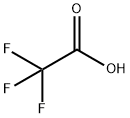
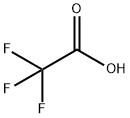
Structural formula:
- Strong acid catalytic performance: pKa value is 0.23, and its acidity is about 100,000 times stronger than that of acetic acid. It is widely used as a highly efficient catalyst in alkylation, acylation and polymerization reactions.
- Excellent solvent properties: It is miscible with water, alcohols, ethers and a variety of organic solvents, making it an ideal medium for fluorination, nitration and halogenation reactions.
- High purity and batch stability: The purity of the standard product is not less than 99.5%, and the impurity content is extremely low, meeting the requirements of precision synthesis and pharmaceutical production.
- Key reagents for pharmaceutical synthesis: Widely used in the deprotection of t-BOC groups in peptide synthesis, and is an important raw material for the production of GLP-1 class peptide drugs.
Used as a pharmaceutical and pesticide intermediate, biochemical reagent, and organic synthesis reagent. Used in the synthesis of fluorinated compounds, pesticides, and dyes. A catalyst for esterification and condensation reactions; a protecting agent for hydroxyl and amino groups, used in the synthesis of sugars and peptides. Also used as a mineral processing agent. Used in organic synthesis.
Appearance | A colorless, volatile, fuming liquid. It has an odor similar to acetic acid. It is hygroscopic and has a pungent odor. |
purity | ≥99.5% |
Moisture | ≤0.1% |
- Strict quality control system, complete batch test reports
- High purity (≥99.5%) and batch stability guaranteed
- Meets HG/T 2770-2006 standard, reliable quality.
- Continuous and stable supply capacity, supporting customized packaging
- Extensive experience in serving international markets
- Support product development and technical consulting
Packaging specifications: 250kg all-plastic drum/plastic-lined steel drum. Store in a cool, dry, and well-ventilated place, keep the packaging sealed, and keep away from alkaline substances, oxidants, and food and animal feed. Equipped with corrosion-resistant packaging to ensure safe transportation and storage.
Q1: What is trifluoroacetic acid mainly used for?
A: Primarily used as a deprotection agent in organic synthesis, pharmaceutical and pesticide intermediate production, and polypeptide synthesis.
Q2: Why is trifluoroacetic acid an important raw material for pharmaceutical synthesis?
A: Its trifluoromethyl structure and strong acidity make it a key reagent for t-BOC deprotection in peptide drug synthesis and it is widely used in the synthesis of various pharmaceutical intermediates.
Q3: What is the purity of the product?
A: The purity of the standard product is not less than 99.5%, and the moisture content is not higher than 0.1%.
Q4: Which industries is it suitable for?
A: Pharmaceutical, pesticide, biomedical analysis, organic synthesis and new materials research and development industries.
Q5: How to store it?
A: It is recommended to store in a sealed container in a cool, dry, and well-ventilated environment, away from alkalis and oxidizers, and avoid storing with food or feed.
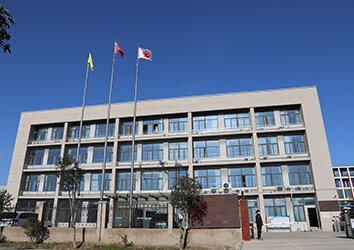
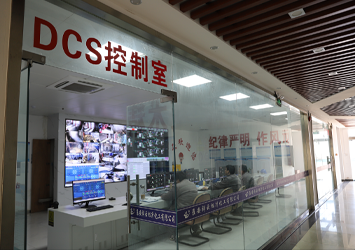
Plant Evironment
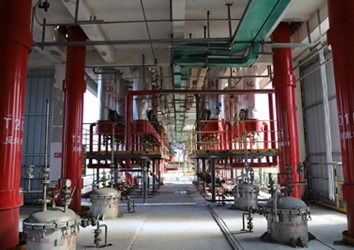
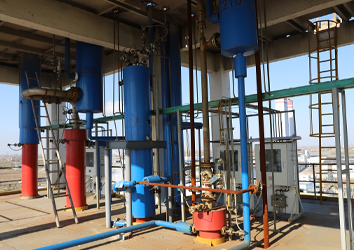



Welcome to establish long-term cooperative relations with our company
Please contact us
0086-15366800998
Domestic Trade Contact:President Yuan
Mobile:0086-15366800998
Email:999yhsen@163.com
Minister of Foreign Trade:Jane
Mobile:0086-0519-15366800998
Email:janeyuan@czjyhg.com
Address:1304, Block B, Jinsha Science and Technology Financial Center, Jintan District, Changzhou City, Jiangsu Province
Tel:0086-15366800998
Fax:0086-0519-82110997
From
2015
Focus on fluorine-containing pharmaceutical&pesticide intermediates
